
Maracatu dance tutorial and history
History told by special guest Adelmo Andrade
Maria Bonita banda
History told by special guest Adelmo Andrade
History and dance tutorial by Tatiana and Vania
History and dance tutorial by Tatiana and Vania
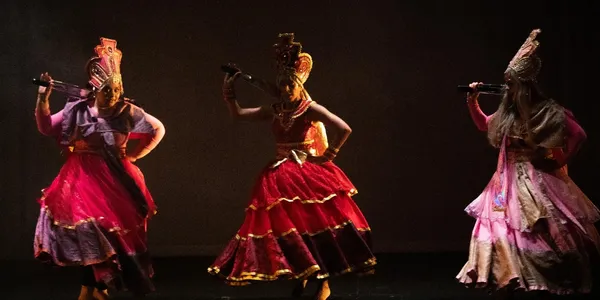
To deliver the ethics of a professional dance company set up. To focus on regular practice, delivery of technique, and proactively seeking touring opportunities for their members. To deliver weekly classes, allowing members to focus on their journey and the group development, increasing their desire to learn different dance styles and conduct their research when appropriate. To explore and use all types of dances, including but not exclusively contemporary, modern, jazz, and lyrical, to build solid foundations for our folkloric Brazilian dances. To improve the dancers’ musicality and understanding of different rhythms from Brazil.
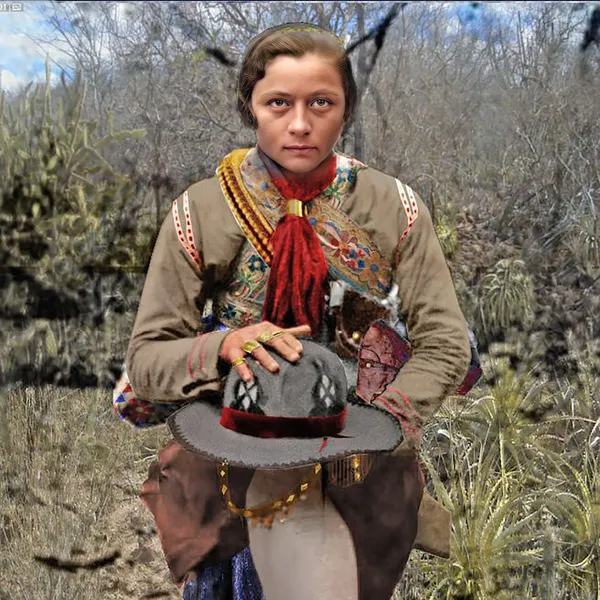
Maria Bonita was the nickname of Maria Déia, a member of a Cangaço band, marauders and outlaws active in the Brazilian Northeast in the 1920s and 1930s. Maria Bonita means "Beautiful Maria". She has the status of a 'folk heroine' in Brazil. Why the name Maria Bonita for our company? Maria Bonita is nationally acclaimed in Brazil as one of the strongest women in the history of the country, and our dance company aims to focus on women's power, giving all our members the strength, confidence, and ability to achieve their wildest dreams through dance.
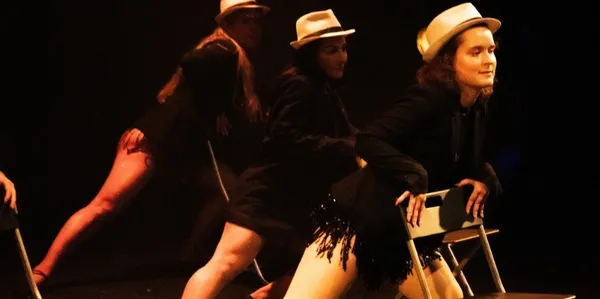
It means you will be focused and committed to having fun and your personal growth. We promise to give our best technique and information to develop your skills and empower and allow you to tap into your unknown capabilities as a dancer and performer.
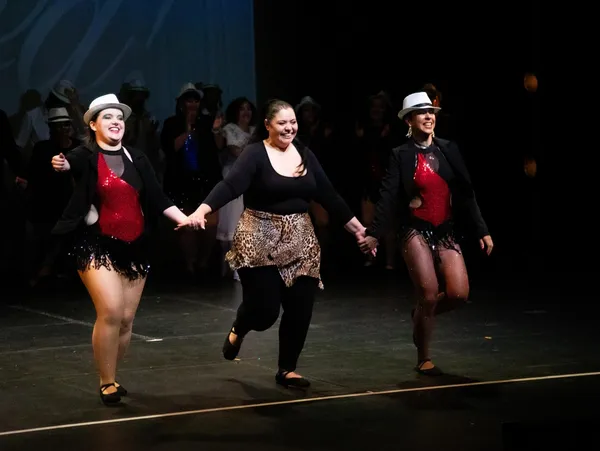
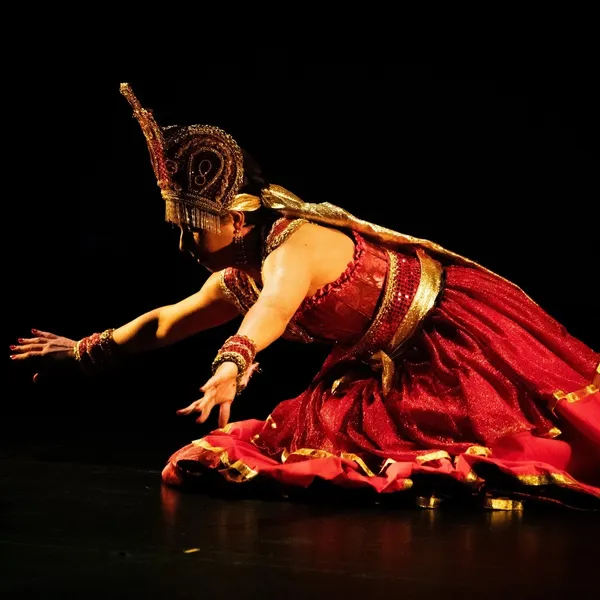
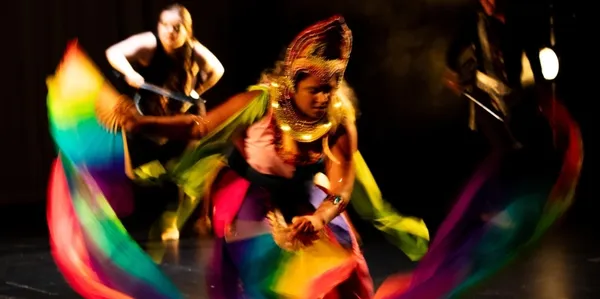
These are regional styles of dances that we aim to contextualise and give depth to the dancer learning them, including but not exclusive: maracatu, xaxado, frevo, ciranda, bumba-meu-boi, samba de roda, baiao, quadrilha, carimbo, and coco. In addition, we will also work with Afro-Brazilian dances and Samba.
The fees will include a minimum of 4x 2hrs classes a month and any additional rehearsal necessary leading up to any show. The membership will cost only £20 a month, which comes to £5 for every 2hr class (or less if more classes are added in that particular month). The fee must be paid via direct debit straight to the BCC bank account and is non-refundable in case of absence.
Simone Dias has a lot of experience within professional dance companies in Brazil, not only as a member but also as a teacher and choreographer. Simone also has experience in dance competitions, touring, and stage performance, and she has won many competitions in her state of Sao Paulo. In addition, she has studied ballet, modern, jazz, and contemporary. Simone has used her experience in dance to work with vulnerable children to promote integration in Lisbon and Brazil. She is an eternal lover of all things Brazilian, with a vast knowledge of Brazil’s history, culture and literature. She has been sharing her love and passion for dance in Nottingham since 2014 and joined the Brazilian Cultural Centre in 2022 as a Board Director. Tatiana Woolley has been committed to sharing Brazilian Culture within the UK for over 15 years. She started with the ABC Dance School, where she got involved in Carnival arts and led many Carnival troupes that won several awards for their impeccable choreographies and costumes. Later in 2018, she founded the Brazilian Cultural Centre, becoming its CEO and Creative Director. She has been involved in creative arts and dance projects that aim to enhance the local community’s talent in a professional set-up, building women’s confidence through art and dance. Tatiana has delivered countless performances, shows and dance theatre spectacles in the UK. She has been awarded twice highly competitive Arts Council England grants for her creative art projects and personal ambition to improve. Her latest achievement was the competitive YOUnique funding by New Art Exchange in 2023. Tatiana has been a dance teacher for nearly 20 years and has a background in contemporary, lyrical, fusion, and Brazilian folkloric dances from the Northeast of Brazil and a substantial experiential knowledge of middle eastern modern and folkloric dances.

Ori (from "Ori" meaning head and "Já" meaning now) is a dance performance that invites the audience to explore and recognize the daily influences of the African diaspora in Brazil through the perspective of the Yoruba people and their Orishas.