
Discovering the North Region
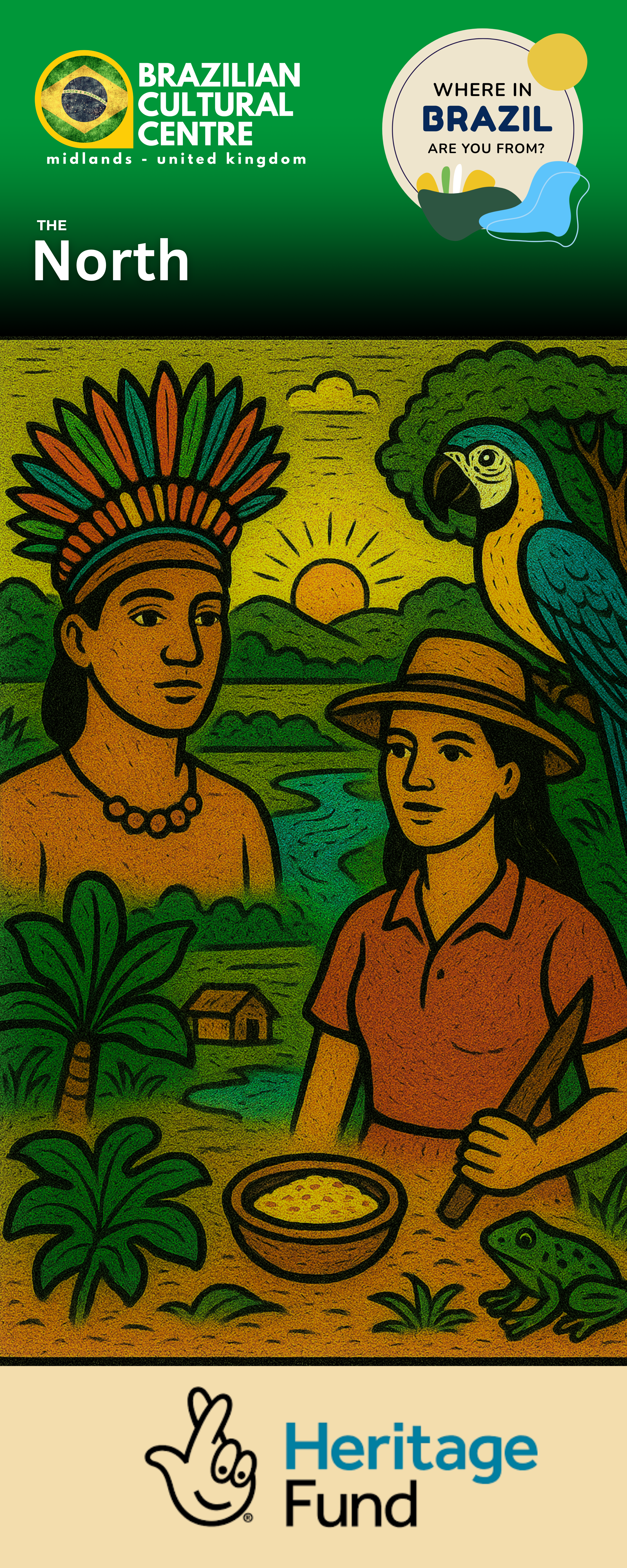
The Amazon and the Many Voices of Northern Brazil
The North Region (Região Norte) is the largest region of Brazil, covering almost half of the country's territory. Home to the Amazon Rainforest, hundreds of Indigenous nations, unique cultural traditions, and extraordinary biodiversity, the North represents one of the most important cultural and environmental heritage areas in the world. As part of the Brazilian Cultural Centre CIC's Where in Brazil Are You From? project, we are exploring the people, stories, traditions, and identities that make Northern Brazil such an essential part of the country's heritage.
The Capitals of Northern Brazil
The North Region is composed of seven states:
- Acre – Rio Branco
- Amapá – Macapá
- Amazonas – Manaus
- Pará – Belém
- Rondônia – Porto Velho
- Roraima – Boa Vista
- Tocantins – Palmas
Manaus (Amazonas)
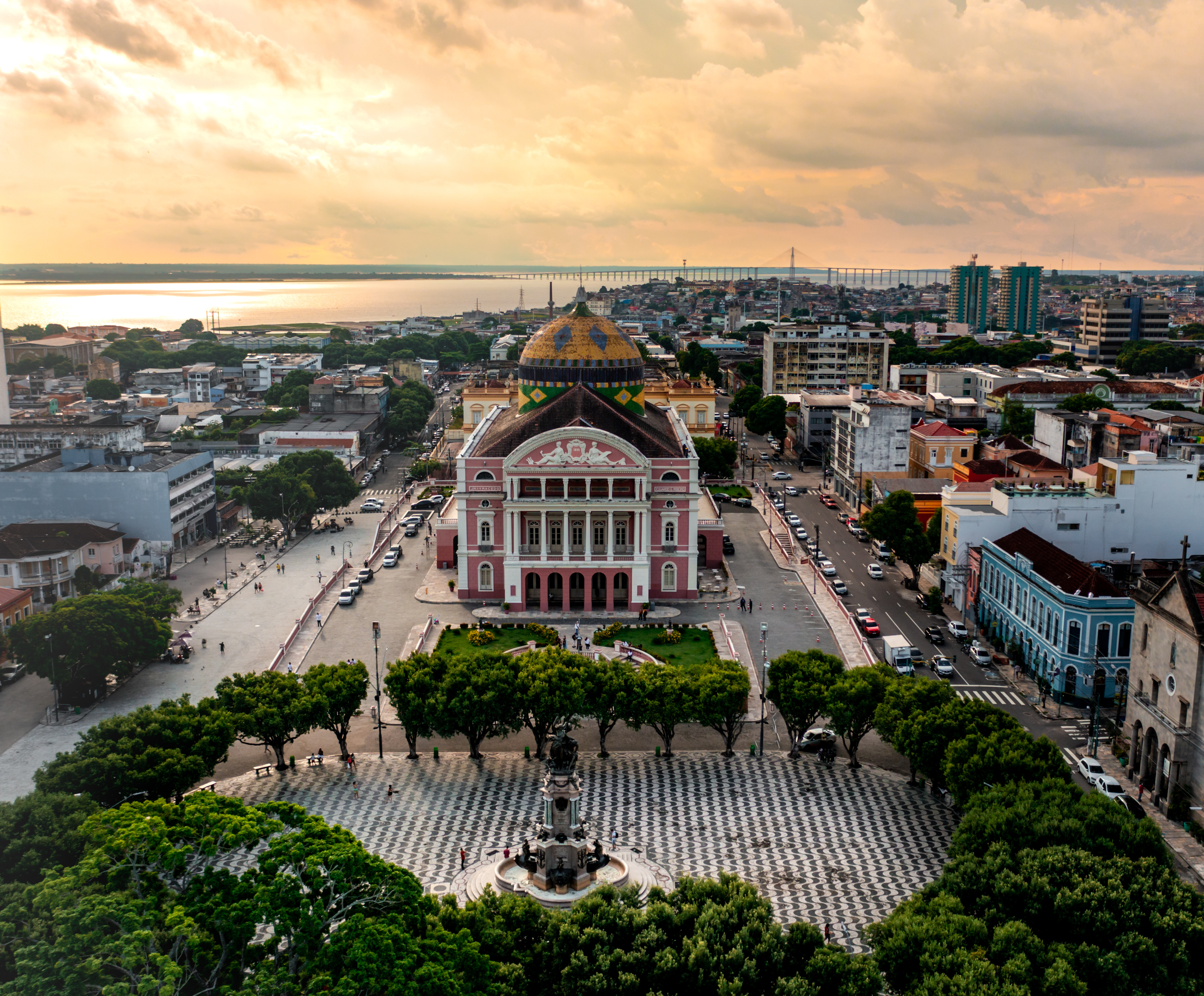 Located in the heart of the Amazon rainforest, Manaus is the largest city in Northern Brazil and one of the most important gateways to the Amazon.
During the rubber boom of the late nineteenth century, Manaus became one of the wealthiest cities in the world, resulting in the construction of iconic buildings such as the famous Amazon Theatre.
Located in the heart of the Amazon rainforest, Manaus is the largest city in Northern Brazil and one of the most important gateways to the Amazon.
During the rubber boom of the late nineteenth century, Manaus became one of the wealthiest cities in the world, resulting in the construction of iconic buildings such as the famous Amazon Theatre.
Cultural Heritage
Manaus reflects the meeting of Indigenous traditions, migrant cultures, and Amazonian identities. The city is also associated with renowned writer Milton Hatoum, whose novels explore memory, migration, family relationships, and life in the Amazon.
Belém (Pará)
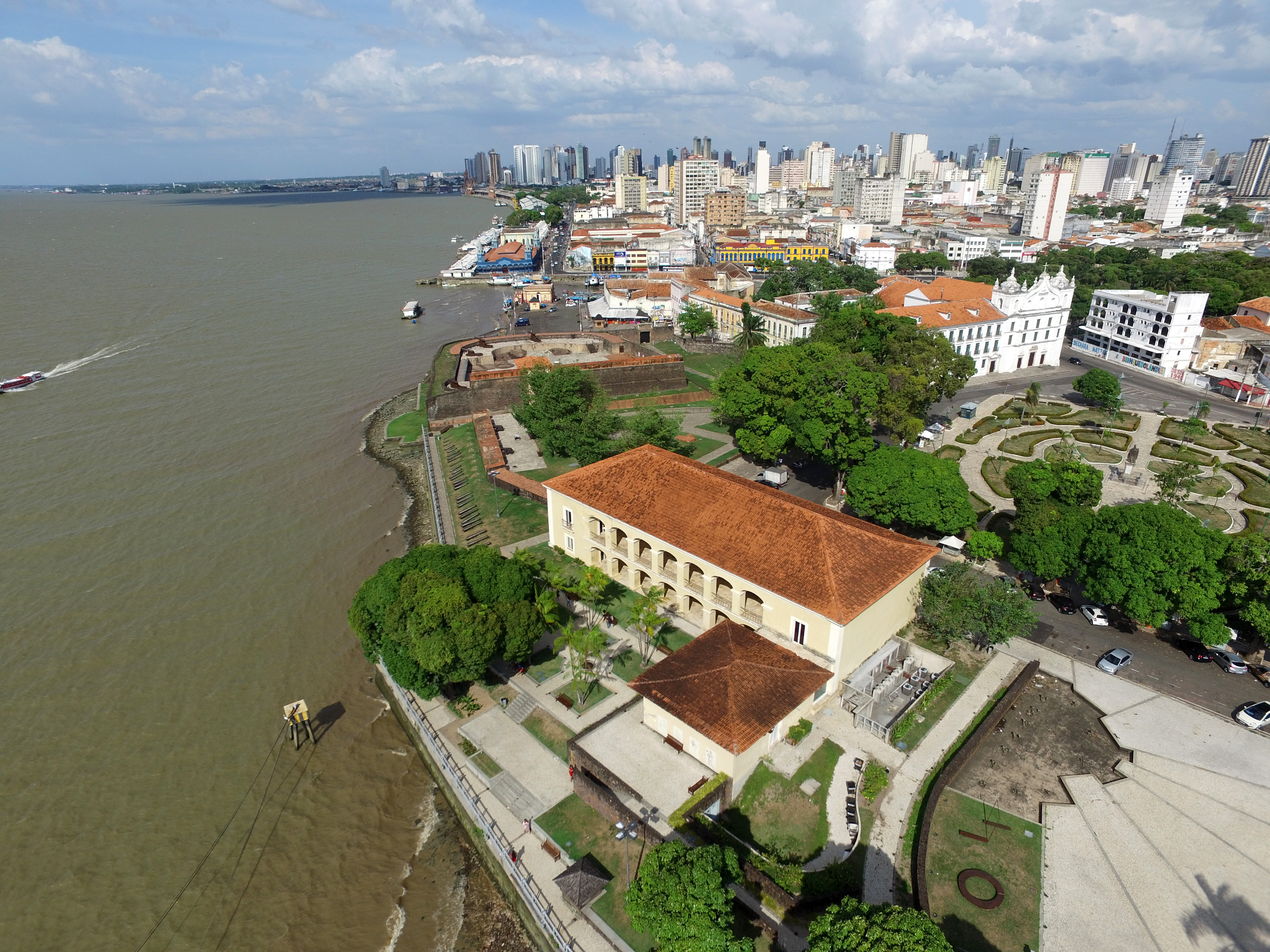 Founded in 1616, Belém is one of the oldest cities in Brazil and an important cultural centre of the Amazon region.
Situated near the mouth of the Amazon River, the city developed as a key trading port and remains famous for its rich cultural life and cuisine.
Founded in 1616, Belém is one of the oldest cities in Brazil and an important cultural centre of the Amazon region.
Situated near the mouth of the Amazon River, the city developed as a key trading port and remains famous for its rich cultural life and cuisine.
Cultural Heritage
Belém hosts one of the world's largest religious celebrations, the Círio de Nazaré, attracting millions of pilgrims every year. The city's cuisine is considered one of the most distinctive in Brazil, featuring ingredients such as: Açaí, Tucupi, Jambu, Cupuaçu
Rio Branco (Acre)
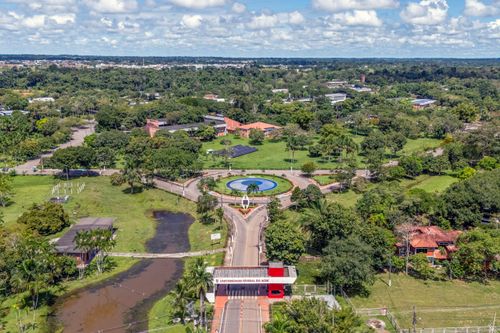 Rio Branco is the capital of Acre, Brazil's westernmost state, bordering Peru and Bolivia.
The city grew through the rubber industry and remains closely linked to Amazonian environmental history.
Rio Branco is the capital of Acre, Brazil's westernmost state, bordering Peru and Bolivia.
The city grew through the rubber industry and remains closely linked to Amazonian environmental history.
Cultural Heritage
Rio Branco is strongly associated with the legacy of Chico Mendes, whose work helped bring international attention to rainforest conservation and the rights of traditional forest communities.
Porto Velho (Rondônia)
Porto Velho developed around the construction of the Madeira-Mamoré Railway, one of Brazil's most remarkable engineering projects. The city reflects the cultural diversity created by waves of migration from across Brazil.
Cultural Heritage
Its history combines Indigenous traditions, river communities, railway workers, and migrants who arrived during different economic cycles in the Amazon.
Boa Vista (Roraima)
Boa Vista is the northernmost state capital in Brazil and the only Brazilian capital located entirely north of the Equator. Its urban design was inspired by Paris, featuring wide avenues radiating from a central civic area.
Cultural Heritage
Roraima has one of the largest Indigenous populations in Brazil, making Indigenous languages, traditions, and cultural practices an essential part of local identity.
Macapá (Amapá)
Macapá is one of the few cities in the world located directly on the Equator. The city sits on the banks of the Amazon River and is famous for the Fortaleza de São José, one of Brazil's most important colonial fortresses.
Cultural Heritage
The city combines Indigenous, African, and Portuguese influences, creating a rich cultural landscape expressed through music, dance, festivals, and traditional crafts.
Palmas (Tocantins)
Palmas is Brazil's youngest state capital, founded in 1989 after the creation of Tocantins State. The city was carefully planned and built to support the development of central and northern Brazil.
Cultural Heritage
Although modern, Palmas preserves strong links with traditional Cerrado communities, Indigenous peoples, and rural cultural traditions.
Natural Heritage of Northern Brazil
Amazon Rainforest
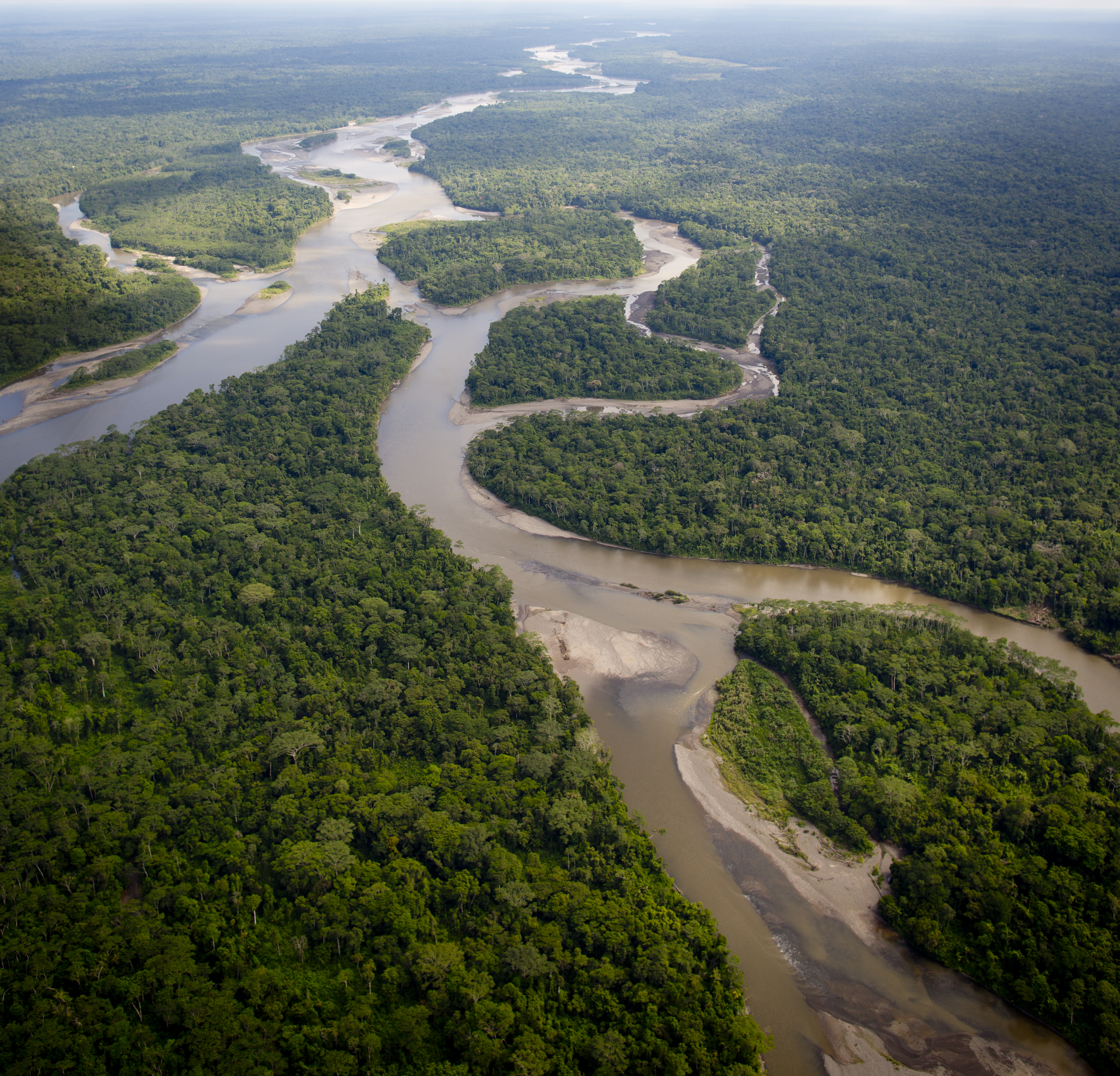 The Amazon is the largest tropical rainforest in the world and one of the planet's most important ecosystems.
It contains:
The Amazon is the largest tropical rainforest in the world and one of the planet's most important ecosystems.
It contains:
- More than 10% of the world's known biodiversity
- Thousands of rivers
- Hundreds of Indigenous communities
- Unique cultural and environmental knowledge developed over centuries
Meeting of the Waters
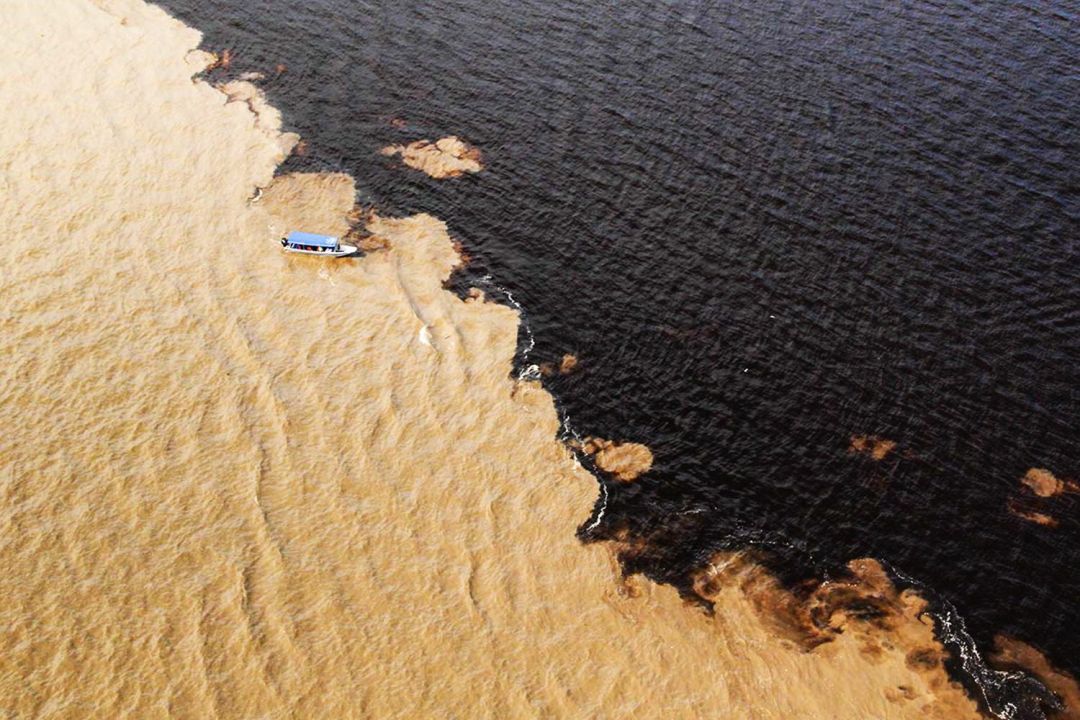 Near Manaus, the dark waters of the Rio Negro flow alongside the sandy-coloured waters of the Amazon River without mixing for several kilometres, creating one of Brazil's most famous natural phenomena.
Marajó Island
Located in Pará, Marajó is one of the world's largest river islands and is famous for Buffalo farming, Indigenous archaeological heritage, Traditional ceramics, Rich biodiversity
Northern Voices in the United Kingdom
The North Region has produced writers, musicians, environmental activists, artists, and community leaders whose stories continue to inspire people both in Brazil and abroad. Through oral histories, exhibitions, workshops, book clubs, and community events, the Brazilian Cultural Centre CIC is helping preserve these memories and share them with new audiences in the United Kingdom. This work contributes to the wider goal of safeguarding Brazilian heritage and promoting cultural understanding across communities.
Funded by