
Discovering the Northeast Region
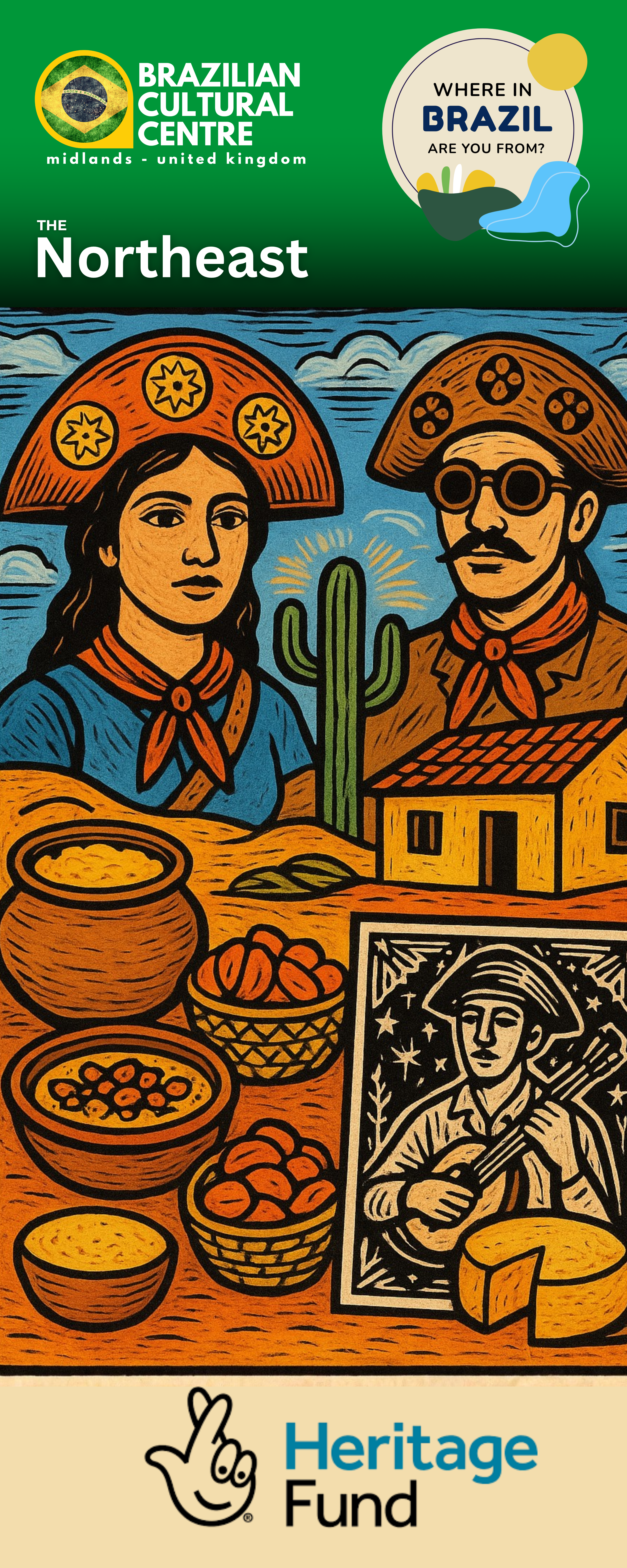
The Cultural Heart of Brazil
The Northeast Region (Nordeste) is often described as the cultural heart of Brazil. Rich in history, music, literature, dance, religion, cuisine, and popular traditions, it is the birthplace of many cultural expressions that have shaped Brazilian identity. The region is made up of nine states:
- Alagoas – Maceió
- Bahia – Salvador
- Ceará – Fortaleza
- Maranhão – São Luís
- Paraíba – João Pessoa
- Pernambuco – Recife
- Piauí – Teresina
- Rio Grande do Norte – Natal
- Sergipe – Aracaju
Salvador (Bahia)
Founded in 1549, Salvador was Brazil's first capital and remains one of the country's most culturally significant cities. Cultural Heritage Salvador is the centre of Afro-Brazilian culture and traditions, including:Candomblé, Capoeira, Samba de Roda, Acarajé Salvador is one of the most important centres of Afro-Brazilian culture in the world.
Recife (Pernambuco)
Known as the "Venice of Brazil," Recife is famous for its bridges, waterways, and vibrant cultural scene. Recife combines colonial heritage, innovation, and some of Brazil's most dynamic cultural traditions.
Cultural Heritage
Recife is the birthplace of Frevo, Manguebeat movement and Maracatu
Fortaleza (Ceará)
Fortaleza is one of Brazil's largest coastal cities and an important cultural and economic centre of the Northeast.
Cultural Heritage
The city is known for: Humour and storytelling traditions, handicrafts, Forró music, Literature inspired by Ceará's landscapes
São Luís (Maranhão)
A UNESCO World Heritage Site, São Luís is famous for its Portuguese colonial architecture and distinctive cultural identity.
Cultural Heritage
The city is internationally recognised for:Bumba Meu Boi, Tambor de Crioula,Traditional festivals, Unique Portuguese tile architecture São Luís preserves one of the finest collections of colonial architecture in Latin America.
João Pessoa (Paraíba)
Known as one of Brazil's greenest capitals, João Pessoa combines historic heritage with beautiful natural landscapes.
Cultural Heritage
The city celebrates: Cordel literature, Traditional music, Folk festivals and Regional cuisine
Maceió (Alagoas)
Maceió is renowned for its turquoise waters and strong connections to Brazil's maritime history.
Cultural Heritage
The city preserves traditions linked to: Fishing communities,Coconut cultivation, Regional crafts, Folk celebrations
Natal (Rio Grande do Norte)
Natal played a strategic role during the Second World War due to its location on Brazil's northeastern coast. Cultural Heritage The city is known for: Coastal traditions, Folk music, Historic military heritage, Traditional cuisine
Teresina (Piauí)
Unlike most Northeastern capitals, Teresina is located inland and developed around the meeting of two rivers.
Cultural Heritage
The city reflects: Sertão traditions, Indigenous influences, Contemporary arts, Regional music
Aracaju (Sergipe)
Aracaju is one of Brazil's youngest state capitals and is known for its quality of life and welcoming atmosphere.
Cultural Heritage
The city celebrates: Forró music, Regional festivals, Fishing traditions, Coastal culture
Funded by